
Jakarta
The capital of the world's largest Muslim nation, halal food is not a feature here; it's simply how everyone eats.
Jakarta is one of those cities that gets undersold to tourists, which means those who do visit are genuinely surprised by what they find. As the capital of Indonesia, the world's most populous Muslim-majority nation, with 270 million people, Jakarta is one of the most effortlessly halal cities on earth. The question of whether food is halal barely arises. The density of mosques answers the question of where to pray on every block. The call to prayer from Istiqlal Mosque, the largest mosque in Southeast Asia, resonates across a city of 10 million people five times a day.
Jakarta is a megacity in every sense: loud, dense, chaotic, energising. It sits in perpetual traffic but compensates with extraordinary food, a genuine arts and culture scene that outsiders rarely know about, and a warmth of character that makes navigating its chaos considerably more pleasant than it looks from the outside. The city has also invested heavily in infrastructure over the past decade: the MRT (opened in 2019) and LRT have begun to make urban movement genuinely possible without a private car.
For Muslim travellers, Jakarta is arguably one of the easiest cities in the world in terms of faith logistics. For those willing to look beyond the traffic and the surface chaos, it's also one of the most rewarding cities in Southeast Asia.
Why Muslims Love This Destination
- Home to thousands of mosques, including the iconic Istiqlal Mosque, the largest mosque in Southeast Asia.
- Abundant halal food options, from traditional Indonesian cuisine and street food to international halal restaurants.
- Strong Islamic culture and Muslim-majority environment that makes practicing faith easy and comfortable.
- Family-friendly attractions, shopping centers, and cultural experiences suitable for travelers of all ages.
- Extensive public transportation network and modern infrastructure that simplify getting around the city.
Advertisement Space
destination-content • banner • Min: 320pxIn Jakarta, the question is not "is this halal?" — the vast majority of restaurants, warungs, street stalls, and food courts operate on the assumption that their food is halal, because their customers are Muslim. The MUI halal certification is widely displayed, and the city's food culture is built on Islamic dietary practice. Non-halal establishments (upscale international hotels with pork menus, Chinese restaurants serving pork) are clearly distinct from the mainstream and easy to identify and avoid.
Jakarta's food scene is extraordinary in its depth and variety — Indonesian cuisine is one of the world's great underappreciated food traditions, and Jakarta, as the nation's capital, draws the best of every regional cuisine under one sky.
Must-try dishes and where to find them:
• Nasi goreng — Jakarta's version of fried rice is more complex than most: wok-charred, deeply savoury, fragrant with kecap manis (sweet soy sauce), and topped with a fried egg. Eaten at every hour by every social class. Try it from a warung cart late at night — that's when it's best.
• Soto Betawi Jakarta's signature dish: a rich coconut milk-based beef soup with offal, tomato, and lime, served with rice or ketupat (rice cakes). A deeply comforting dish and uniquely Jakartan. Try it at Soto Betawi H. Ma'ruf in Menteng — a city institution.
• Gado-gado Indonesian salad of blanched vegetables, tofu, tempeh, and hard-boiled egg drenched in a rich peanut sauce. Filling, cheap, and found everywhere. Fully halal.
• Martabak has two types: martabak telur (savoury egg and minced meat pancake) and martabak manis (thick sweet pancake with chocolate, cheese, and peanuts). Both are street-food staples sold from large flat-top griddles throughout the city from evening onwards.
• Ketoprak rice noodles, tofu, and bean sprouts in peanut sauce with rice cake and crackers. A cheap and satisfying Jakarta street food that tourists rarely encounter.
• Gudeg from Yogyakarta but widely available in Jakarta. Slow-cooked young jackfruit in coconut milk and palm sugar, served with rice and chicken. A uniquely Indonesian flavour profile.
Food courts and markets: Jakarta's food courts (in all major shopping malls) are universally halal and excellent value. Tanah Abang Market area has extraordinary street food. The Pasar Santa food hall (South Jakarta) is a millennial favourite with diverse halal options. For upscale halal dining, the SCBD (Sudirman Central Business District) and Kemang neighbourhoods have excellent modern Indonesian and international restaurants.
Jakarta has thousands of mosques by some estimates, more mosques per square kilometre than almost any city in the world outside the Arabian Peninsula. Finding a mosque in Jakarta is never a challenge. The more interesting question is which ones are worth going out of your way to visit.
• Masjid Istiqlal is the largest mosque in Southeast Asia and the third-largest in the world by capacity (120,000 worshippers). Built in 1978 as a symbol of Indonesian independence, it sits directly opposite the Katedral Jakarta (Catholic cathedral) in a deliberate statement of religious harmony. Visiting Istiqlal is one of the great experiences of any Jakarta trip — the scale is extraordinary, and the atmosphere during Friday prayers is genuinely moving. Free entry; guided tours available; modest dress required.
• Masjid Sunda Kelapa is a beautifully preserved old mosque in the Menteng district, dating from the Dutch colonial period. More intimate than Istiqlal, with a strong local community feel.
• Masjid Al-Azhar (Kebayoran Baru) is one of Jakarta's most prestigious mosques, attached to the Al-Azhar educational complex. Well-maintained, central, and easy to find.
• Prayer rooms in every mall and building: Indonesian law effectively requires prayer facilities in all major public buildings. Every shopping mall in Jakarta has a musholla (prayer room) usually clean, air-conditioned, and equipped with wudu facilities. Soekarno-Hatta International Airport has prayer rooms in every terminal.
Muslim Travel Tips
- Prayer facilities are widely available in malls, office buildings, airports, train stations, and tourist attractions.
- Use Jakarta MRT, TransJakarta buses, or ride-hailing apps such as Grab and Gojek for efficient transportation.
- Jakarta's tropical climate can be hot and humid, so wear light, breathable clothing and stay hydrated.
- While most local food is halal, look for halal certification logos when dining at international restaurants.
- If visiting during Ramadan, experience the city's vibrant Ramadan markets, community iftars, and festive atmosphere.
Best months: June to September, Jakarta's dry season, with lower humidity and less rainfall. The city is hot year-round (28–34°C), but June to September is the most comfortable period for outdoor exploration. Skies are clearer, and outdoor markets and harbour visits are more enjoyable.
Wet season: October to May. Jakarta's wet season can bring significant flooding in low-lying areas. January and February are particularly intense. The city functions, and most tourist sites are unaffected by standard wet season rain, but check flood alerts if visiting January to March.
Ramadan in Jakarta: Visiting during Ramadan is a genuinely special experience. The city comes alive after sunset with iftar gatherings at restaurants and mosques, pasar Ramadan (special Ramadan food markets) with extraordinary variety, and an atmosphere of community that is unlike any other time of year. The area around Masjid Istiqlal during Ramadan is particularly memorable.
Plan Your Trip
Book Flights, Hotels & Activities
Everything you need to book your trip to Jakarta in one place.
Jakarta rewards those who understand how to navigate it. The city is vast (650+ square kilometres) and traffic-heavy, so itinerary planning around geography, keeping activities in the same area on the same day, makes an enormous difference to how much you enjoy your time.
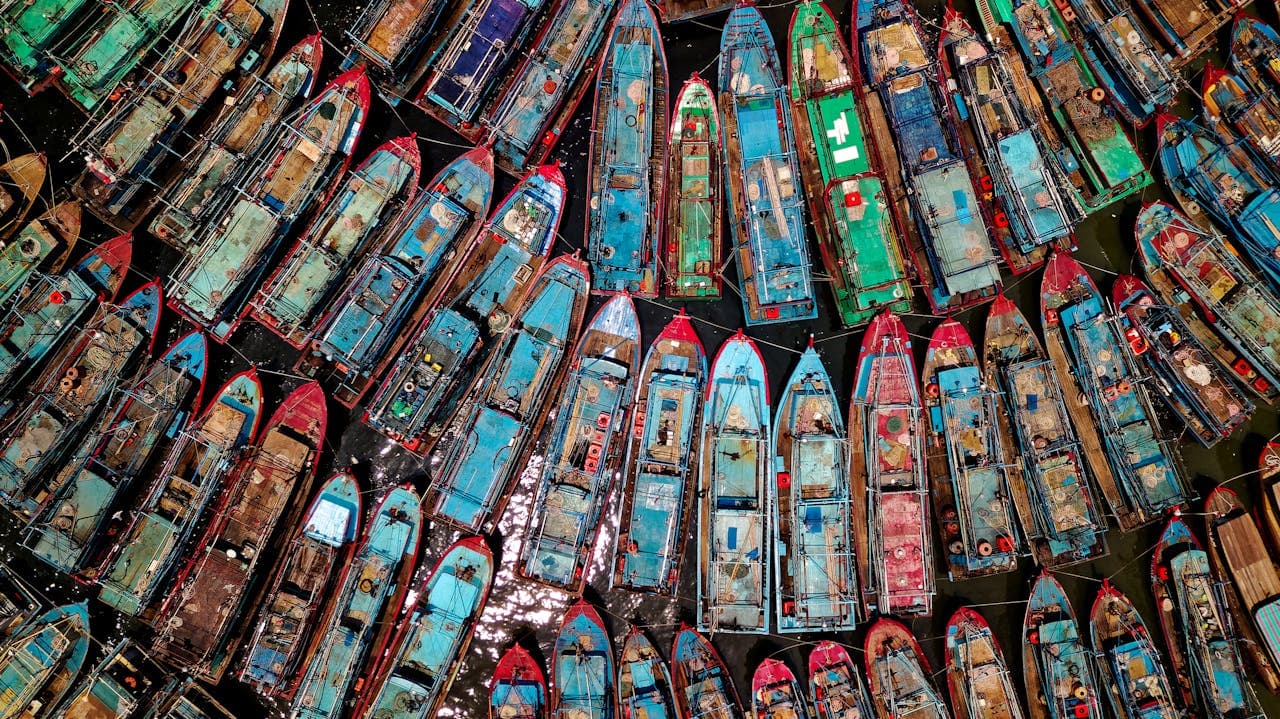
Kota Tua (Old Batavia): Jakarta's colonial Dutch district is the most immediately atmospheric area for visitors. The Fatahillah Square is surrounded by beautifully restored Dutch colonial buildings, now housing the Jakarta History Museum, the Wayang (puppet) Museum, and the Fine Art and Ceramic Museum. The adjacent Sunda Kelapa harbour has traditional wooden pinisi schooners moored exactly as they have been for centuries, one of the most extraordinary harbour scenes in Southeast Asia. Kota Tua is a half-day well spent.
Menteng and Sudirman: Jakarta's upscale central district has excellent halal restaurants, the beautiful Suropati Park, and the National Monument (Monas), a 137-metre obelisk built to commemorate Indonesian independence. The observation deck gives remarkable views across the city and, on clear days, toward the mountains south of Jakarta.
Kemang and SCBD: South Jakarta's most cosmopolitan area. Excellent restaurants, cafés, and nightlife (Jakarta has a substantial alcohol-free café scene). Good for an evening out without alcohol concerns.
Getting around: The Jakarta MRT (north-south line from Lebak Bulus to Kota) and LRT (limited coverage) are clean, fast, and air-conditioned. For areas not covered by rail, Gojek and Grab (Indonesian versions of Uber) are essential; both apps work perfectly in Jakarta. Traffic can add 60–90 minutes to any road journey during peak hours (7–10 am and 5–8 pm). Plan accordingly.
Day trip: The Thousand Islands (Kepulauan Seribu), a chain of 342 small islands off Jakarta's north coast, are accessible by speedboat from Muara Angke harbour (60–90 minutes). Several islands have snorkelling and beach facilities, and some have halal food options. A popular day trip for Jakarta residents.
Bustling metropolis with Islamic museums and coastal charm.
Advertisement Space
destination-sidebar • rectangle • Min: 300pxCountry
Indonesia
Visa Requirements
Many nationalities can enter Indonesia visa-free for short stays or obtain a Visa on Arrival (VoA). Requirements vary by nationality and length of stay.
Currency
Indonesian Rupiah (IDR)
Time Zone
Western Indonesia Time (WIB), UTC+7
Muslim Population
Approximately 11 million residents within Jakarta city, with over 30 million in the Greater Jakarta metropolitan area.
Main Language
Indonesian (Bahasa Indonesia)
Dress Code
Modest and comfortable clothing is recommended. Jakarta is a modern and diverse city, but visitors should dress respectfully when visiting mosques, religious sites, and traditional neighborhoods.
Safety Level
High – Jakarta is generally safe for tourists, particularly in major business, shopping, and tourist districts. Standard precautions should be taken in crowded areas to protect personal belongings.
✈️ Search Flights to Jakarta
Compare 100+ airlines
Powered by Aviasales via Travelpayouts
🏨 Hotels in Jakarta
Compare 2M+ hotels worldwide
Powered by Hotellook via Travelpayouts
Prayer Times
Loading timings...
Explore More Destinations
Discover other Muslim-friendly destinations around the world.
View All Destinations