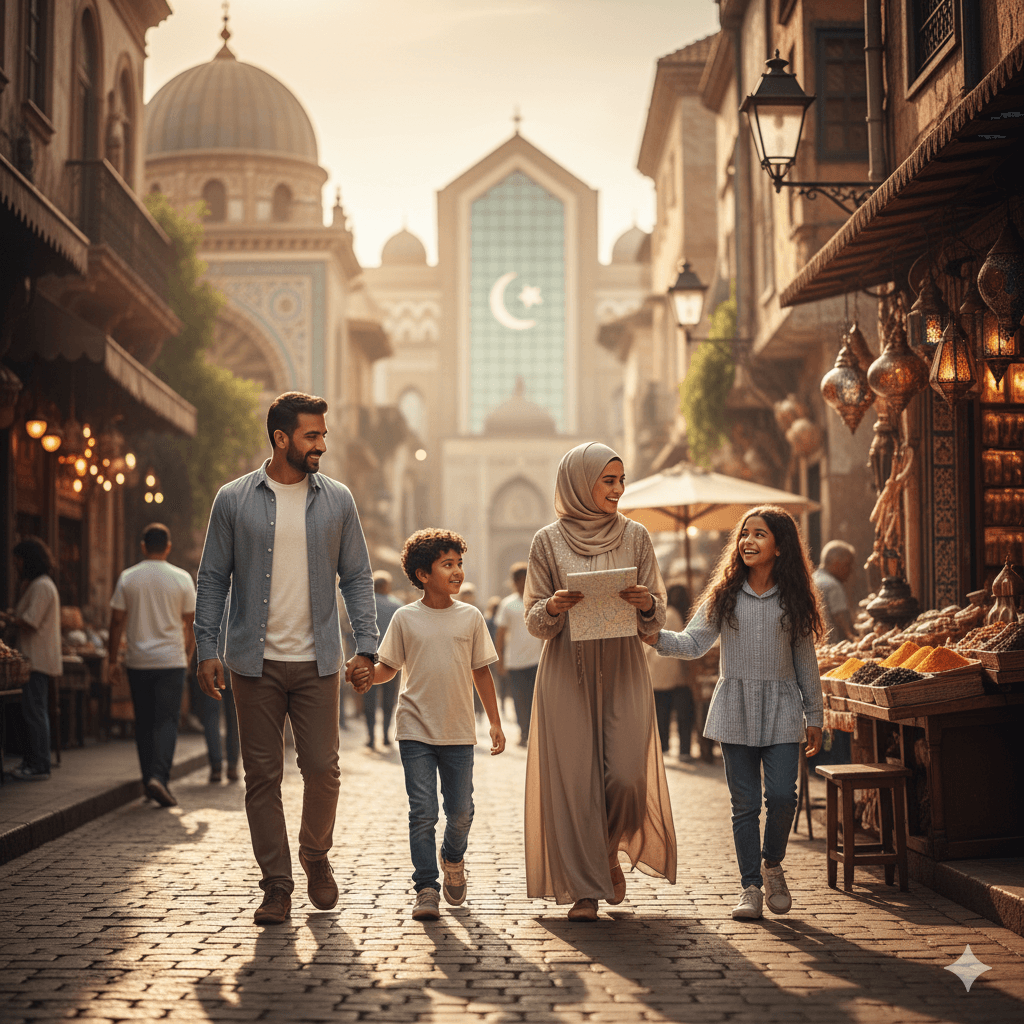
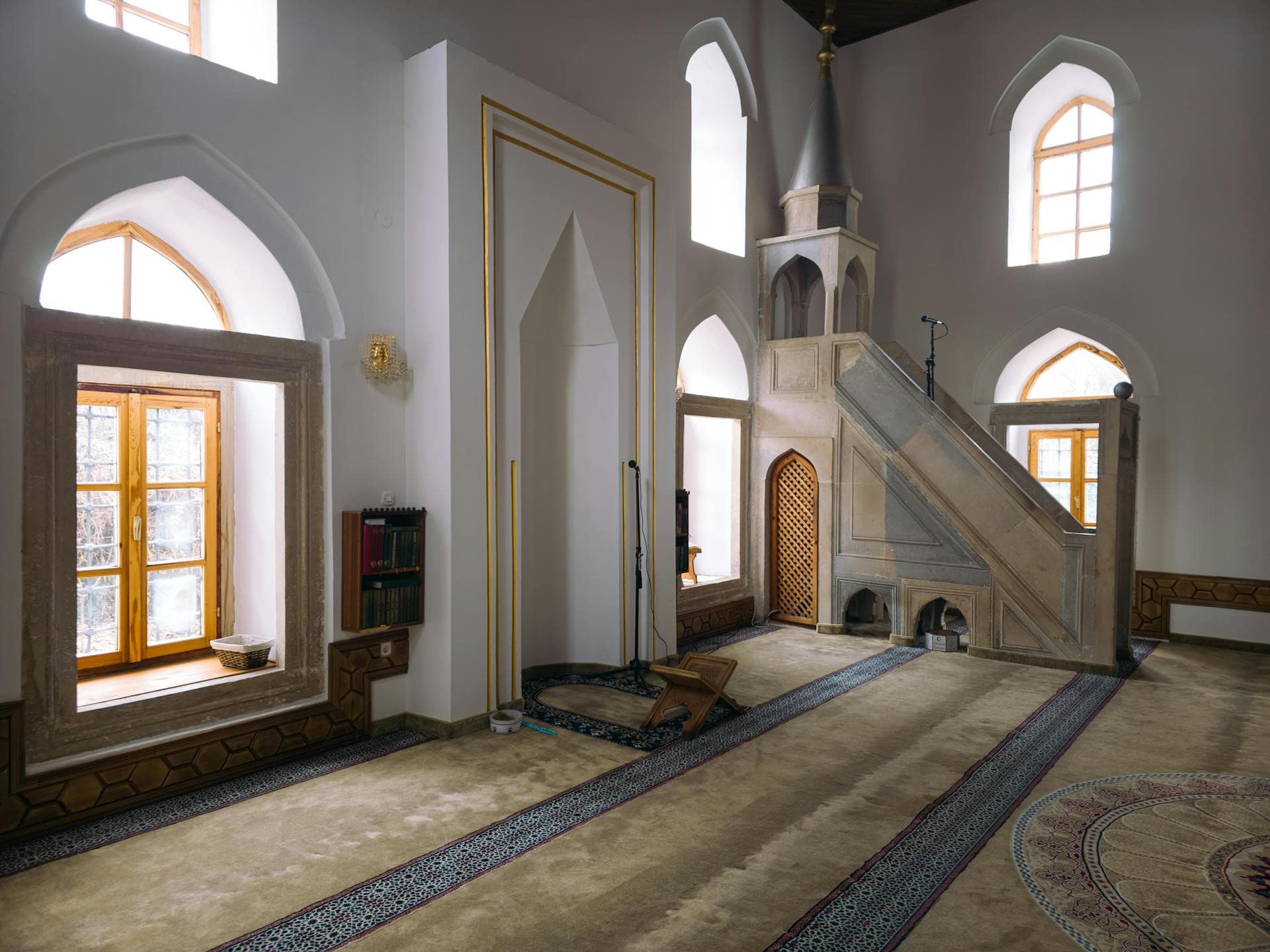
Here's a scenario most Muslim travellers know well: you're mid-layover at an unfamiliar airport, you've got 45 minutes before boarding, and Asr is due. You look around at the terminal and feel that particular combination of anxiety and determination. Where do you go?
I've been that person in a dozen countries, and I've learned that finding a prayer space while travelling is rarely as hard as it feels in the moment. There's almost always somewhere you need to know how to look, who to ask, and what to accept when the answer isn't a purpose-built musalla.
This guide covers everything: the apps, the airport hacks, the creative solutions, and the mindset shifts that make salah on the road not just possible, but actually peaceful.
Start Before You Leave: Pre-Trip Research
The biggest shift you can make as a Muslim traveller is moving your prayer-space research from the airport (panicked, last-minute) to your hotel room the night before, or better yet, your home before you fly. Twenty minutes of preparation can save a lot of stress.
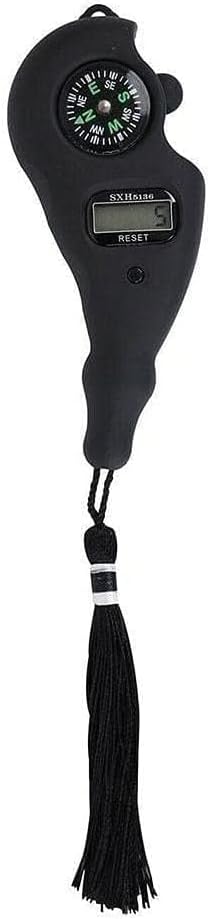
A little planning goes a long way know your qibla direction before you land
For each destination, it's worth knowing three things before you arrive: where the nearest mosque is to your accommodation, what the prayer times will be during your trip, and whether there are any designated prayer rooms at the airports, malls, or attractions you'll be visiting.
Pro Research Tip
When booking hotels, filter for properties near mosques or with prayer mats available on request. Many Muslim-majority country hotels will have prayer mats and a Quran in the room as standard — but even in Western cities, more hotels than you'd expect will accommodate this if you call ahead.
The Apps That Actually Work
The good news: we're living in an era where there's genuinely excellent technology for this. The apps below have collectively saved thousands of prayers across millions of trips.
🕌Muslim Pro
The most comprehensive Muslim travel app. Prayer times, qibla direction, nearby mosques with a map, and Ramadan times. Works offline once downloaded.
iOS & Android —> Free📍HalalTrip
Beyond just prayer times — includes halal restaurant finders, Muslim-friendly hotel listings, and prayer space maps specifically built for travellers.
iOS & Android —> Free🧭Athan (Azan)
Clean, reliable, and extremely accurate prayer time notifications. The qibla compass works even with a limited signal, making it excellent in rural areas.
iOS & Android —> Free🗺Prayer Spaces (UK)
Specifically built for UK travel — maps multi-faith prayer rooms in train stations, universities, hospitals, and shopping centres across Britain.
iOS & Android —> UK Focus
Beyond dedicated apps, don't overlook Google Maps. Simply searching "mosque near me" or "Islamic prayer room" pulls up surprisingly accurate results in most countries. The satellite view can also help you spot mosque rooftops if you're searching in a dense city area.
Airports: The Prayer Space Landscape
Airports are improving significantly when it comes to multi-faith facilities. Here's the honest picture of what you can typically expect:
Airport Type
What to Expect
Ease of Finding
Muslim-majority hubs
Dubai, Doha, KL, Istanbul
Dedicated musallas, wudu facilities, and prayer times displayed on screens
Very Easy
Major Western hubs
Heathrow, Frankfurt, JFK, CDG
Multi-faith rooms in each terminal — ask information desks or check the airport website
Moderate
Secondary Western airports
Regional EU/US airports
Often, a single multi-faith room sometimes signposted, sometimes you need to ask
Some Effort
Smaller regional airports
Domestic airports, small hubs
Rarely dedicated look for quiet corners near departure gates or family rooms
Improvise
Airport Tip
At any airport, the fastest way to find a prayer room is to ask at the information desk, not to wander. Say exactly, "Do you have a multi-faith prayer room?" — most staff know what this means and can point you directly. Some airports have rooms that aren't signposted but exist for exactly this purpose.
Finding Mosques in Unfamiliar Cities
The mosque-finding instinct gets better with experience. In many cities, you can spot a mosque by its minaret or dome from a considerable distance. In others, particularly in the West, mosques are housed in converted terraced houses or commercial buildings with no external marking beyond a small sign.
The Local Muslim Community Method
This is my personal favourite and almost always works: find a halal restaurant or a shop selling Islamic products (prayer beads, Islamic books, modest fashion) and ask the owner. Muslim business owners always know where the nearest mosque is — they pray there too. This works in Bangkok, in Barcelona, in Buenos Aires. Wherever there's a halal butcher or a shawarma spot, there's almost certainly a mosque nearby.
University and Hospital Prayer Rooms
If you're in a city with a large university, it almost certainly has a multi-faith prayer room, and these are typically open to the public (or at least accessible without major difficulty). The same goes for large hospitals. These spaces are often quiet, clean, and located in buildings you can easily enter. I've prayed in hospital chapels that were beautiful, peaceful spaces with separate areas for different faiths.
Shopping Centres in Surprising Places
This is particularly true in Southeast Asia, but also increasingly across the Middle East and parts of Europe: shopping malls often have dedicated prayer rooms. In Malaysia and Indonesia, it's essentially standard — you'll find musallas on multiple floors of most major malls, complete with wudu facilities. In the UK, major Westfield centres in London both have prayer rooms. In France, the La Défense shopping complex in Paris has multi-faith facilities.
Airports are getting better but knowing the right questions to ask is still essential
Making Wudu on the Go
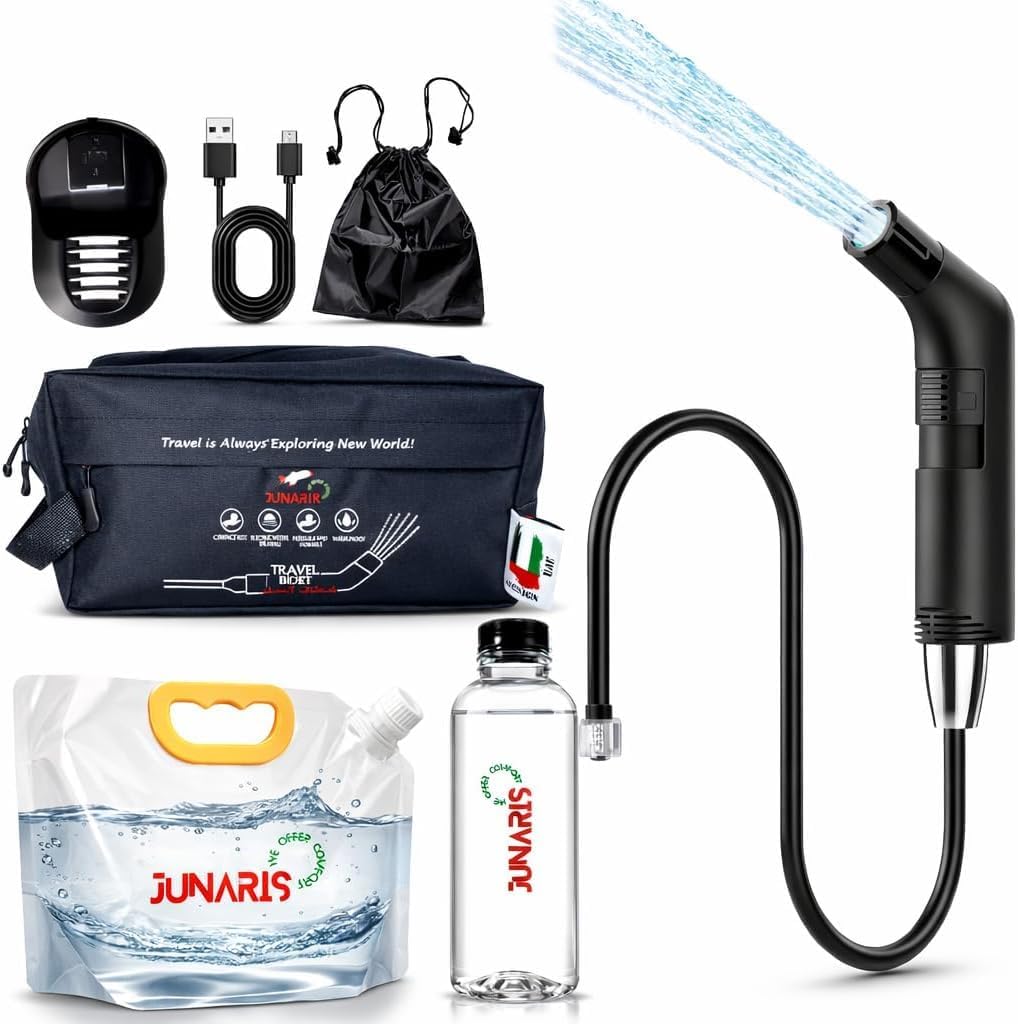
Wudu in non-Muslim countries can feel like the bigger logistical challenge. Here's what works:
- Use accessible toilet facilities
Accessible (disabled) toilets are ideal for wudu when you need more space and a lower sink. They're generally single-occupancy and roomy enough to manage properly without feeling rushed or self-conscious.
2. Carry a portable prayer mat and travel kit
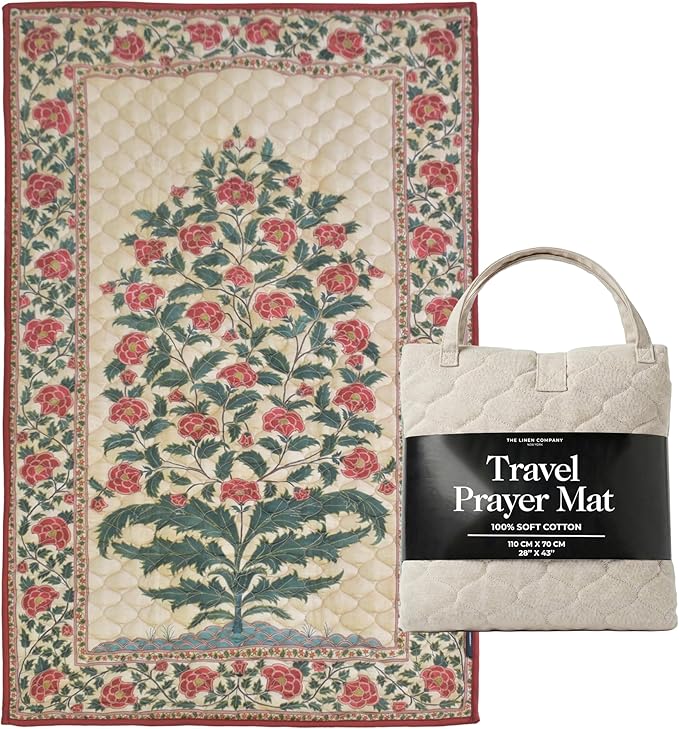
A compact travel prayer mat and a small bottle of water (for tayammum if water isn't accessible) weighs almost nothing and solves a lot of problems. Several brands make mats that fold to roughly the size of a paperback.
3. Know when tayammum applies
If you're genuinely unable to access water — on a long flight, in a remote area, during a tight connection — tayammum is your option. It's a legitimate concession and understanding when and how to perform it correctly removes a lot of travel anxiety.
4. Hotel rooms are underused
If you're between scheduled prayers and passing your hotel, use the room. Most prayers don't need to happen exactly at the call — there's a window. Plan your city walks around your accommodation when possible.
Praying in Public — Handling the Anxiety
This is a real thing, and it's worth addressing honestly. In many non-Muslim countries, the idea of laying down a prayer mat in a park, a hotel lobby, or an airport gate area can feel intimidating. People stare. You're conscious of being visible. That discomfort is valid and also very human.
A few things that help:
✓Choose corners, edges, and quiet areas — not to hide, but because they're genuinely more conducive to khushu'
✓Brief eye contact and a small nod or smile before you begin tend to defuse any awkwardness with nearby strangers
✓Parks, gardens, and green spaces are generally excellent — people pray, meditate, and do yoga there. You're not unusual
✓Know your legal rights — in most Western countries, praying in a public space is completely legal and protected under religious freedom laws
✓With practice, it becomes simply part of travel — part of who you are wherever you are
A Note on Mindset
Prayer while travelling has always been accommodated in Islamic jurisprudence; the combining and shortening of prayers (qasr and jam') exist precisely because the deen recognises that travellers face real constraints. Use these concessions. They're not compromises; they're provisions. A Maghrib prayed in an airport corridor is a Maghrib prayed.
Country-Specific Tips
United Kingdom
The UK has a large and well-established Muslim community, which means mosque infrastructure is surprisingly extensive. Most cities have multiple mosques, and many have multi-faith rooms in their city centres. London, Birmingham, Manchester, and Bradford have particularly good coverage. The East London Mosque app and website list prayer times and has expanded facilities including a dedicated women's prayer hall.
Southeast Asia
Malaysia, Indonesia, and Brunei are essentially problem-free for prayer spaces d musallas are everywhere, from motorway rest stops to beaches. Singapore is excellent too, with prayer rooms in both Changi Airport terminals. Thailand and Vietnam require a bit more searching but have established mosque communities in all major cities.
Europe (Non-UK)
Germany, France, the Netherlands, Belgium, and Spain all have significant Muslim populations and reasonable mosque infrastructure in major cities. France has historically been more complicated due to political tensions around religious expression in public — be aware of context. Scandinavia's mosques are well-maintained and generally welcoming.
The Americas
New York, Toronto, London (Ontario), Chicago, Houston, Los Angeles — all have very established mosque communities and multi-faith facilities. Smaller cities require research. Latin America's Muslim communities are small but growing, concentrated in major cities like São Paulo, Buenos Aires, and Bogotá.
Quick Reference: Your Travel Prayer Kit
🧱 Compact prayer mat — folds to paperback size, weighs under 200g
📱 Muslim Pro or Athan app — prayer times + qibla wherever you are
🧴 Small water bottle — for wudu or tayammum dust in arid destinations
🧦 Mojdi socks (khuffayn) — wudu-friendly socks that allow wiping
📖 Offline Quran app — for quiet moments between prayers
🗺Pre-downloaded offline maps with mosques bookmarked before arrival
Travel is an act of seeing the world. Salah, wherever you perform it, is the act of anchoring yourself within it. The two don't compete — with a bit of preparation, they work beautifully together.