Solo travel is one of the most transformative things you can do. And being Muslim doesn't just make it possible — in many ways, it makes it richer.
The idea of solo halal travel is less complicated than it might seem from the outside. The core requirements — halal food, prayer spaces, modest accommodation — are achievable in more of the world than most people realise. What it takes is a different kind of preparation: less "does this place have nightlife?" and more "does this destination have a functioning mosque and a reasonable halal food scene?"
This guide is for anyone who's been thinking about solo travel but isn't sure how to navigate the planning process through a halal lens. It covers destinations, safety, food, prayer logistics, packing, budget, and the mindset shifts that make solo travel as a Muslim both easier and more joyful.
Choosing Your Destination
The single most important decision in a solo halal trip is where to go — and the right answer depends on how much logistical effort you want to put into your daily religious practice while travelling.
I categorise destinations into three tiers for Muslim solo travellers:
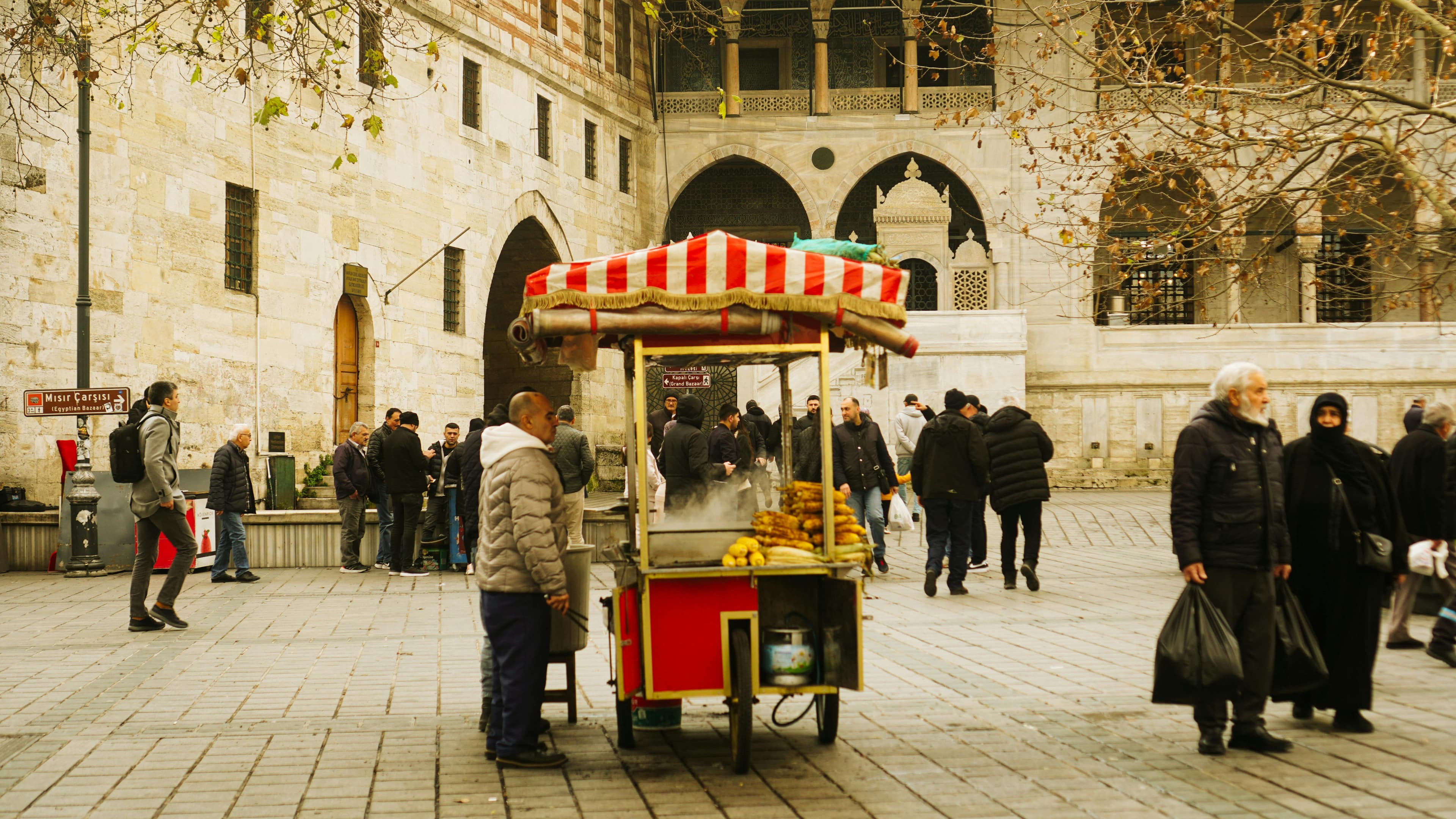
Malaysia, Turkey, Morocco, Jordan, UAE. Halal food everywhere, mosques on every corner, little planning needed.
UK, Germany, France, Japan, Thailand. Halal options exist with some research. Prayer rooms available in cities.
South America, rural Europe, East Africa. Small Muslim communities. Requires significant advance research.
The tier system isn't a judgment — Tier 3 destinations can be extraordinary and deeply rewarding. They just require more planning, more flexibility, and sometimes more creativity with your food choices (vegetarian becomes your best friend in non-halal-heavy areas).
If this is your first solo trip, start with a Tier 1 destination. Malaysia is often cited as the world's most Muslim-friendly travel destination and for good reason — it's incredibly safe, the infrastructure is excellent, English is widely spoken, and you'll never stress about food or prayer. Get the confidence there, then push further.
Planning Your Trip: The Halal Checklist
Good solo travel planning takes time and intentionality. Here's the pre-trip checklist that I walk through before every trip:
Research halal food scene at destination Use HalalTrip, Zomato filters, or local Muslim community Facebook groups. Screenshot your top 5–8 options before you go.
Locate nearest mosque to your accommodation Google Maps + Muslim Pro. Email the mosque if you can — often a great source of local Muslim-friendly recommendations too.
Check prayer times and plan itinerary around them Knowing prayer windows in advance prevents the "halfway up a mountain during Zuhr" problem. Download times offline for the date range of your trip.
Confirm accommodation is Muslim-friendly Request a prayer mat. Check if there's a qibla indicator. Ask about alcohol policies if relevant to you. Many hotels add this without being asked — some don't.
Share itinerary with someone at home Non-negotiable for solo travel regardless of faith. Daily or regular check-in system with a family member or friend.
Download key apps for offline use Athan or Muslim Pro (offline prayer times), Google Maps offline (major maps), and a translation app with offline packs for your destination language.
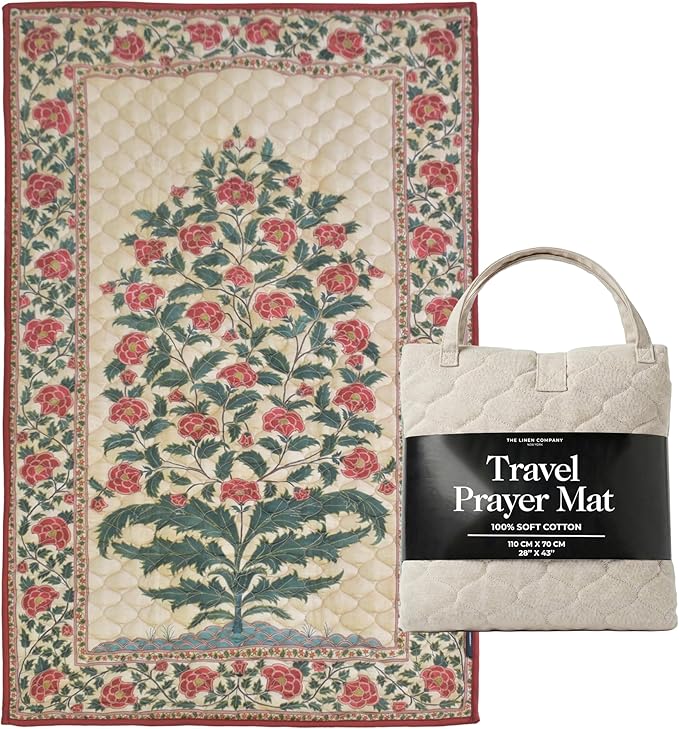
Pack a compact travel prayer mat You'll use it more than you expect. Worth the minimal space it takes.
Get travel insurance that covers emergencies Solo travellers especially need this. World Nomads and SafetyWing both have solid coverage for independent travel.
Staying Safe as a Solo Muslim Traveller
Safety looks different in different parts of the world, and being visibly Muslim can affect the experience — sometimes negatively, sometimes positively. The practical reality is that in most of the world, being a solo Muslim traveller is no more dangerous than being any other kind of solo traveller. The standard safety principles apply.
The best safety tool for a solo traveller is always preparation — knowing your route, your exits, and your contacts
Get a local SIM or international eSIM (Airalo is excellent) from day one. Never rely on hotel WiFi as your only communication method. A working phone number is your lifeline.
When choosing accommodation, research the area properly. Being close to a mosque or Muslim community hub often means being in a safer, more locally-rooted neighbourhood.
"Where is the mosque?" and "Is this halal?" in the local language will open more doors than any app. People respond warmly to the effort, and it builds quick connections.
Register with your country's embassy before departure for any destination in a Tier 2 or 3 region. Keep the emergency number saved offline. It takes five minutes and you'll likely never need it.
Arriving in an unfamiliar city without accommodation is genuinely risky for a solo traveller. Book at least your first night; figure out subsequent nights once you've found your feet.
Facebook groups like "Muslim Travellers" and Reddit's r/MuslimTravel have thousands of members sharing real-time tips, warnings, and recommendations for specific destinations.
In non-Muslim majority countries, visible Islamic practice is usually perfectly fine — but context matters. Research any current political climate around religious expression at your destination. This varies significantly even within Europe: France is different from Germany, which is different from the UK. Being informed isn't paranoia; it's respect for complexity.
Managing Food on a Solo Trip
Solo travel actually has a food advantage that group travellers miss: you can eat exactly what you want, when you want it, without negotiation. You're not waiting for someone else to agree on a restaurant. You can eat street food at 11pm or have breakfast at noon.
The halal food strategy for solo travel depends heavily on your destination tier, but some principles apply universally:
"The world is wider than the limitations we imagine before we arrive in it. Halal food exists in places most people assume it doesn't — you just need to know how to find it."
Budget Planning for Halal Solo Travel
Finding Your Rhythm as a Solo Muslim Traveller
There's a particular kind of peace that comes with solo travel as a Muslim — the five daily prayers create a rhythm to the day that nothing else can. You're anchored across time zones, across cultures, across whatever chaos a travel day throws at you.
The prayer times become your natural rest points. The mosque in a foreign city becomes an instant community — you arrive a stranger and are often offered tea and conversation within minutes. The experience of making wudu at a fountain in Marrakech, or praying Fajr while watching the sun rise over Bosphorus, or finding a tiny mosque tucked into a Tokyo backstreet — these are the memories that last longest.
Solo travel will challenge you. It'll also reveal things about yourself you didn't know were there. As a Muslim, your faith travels with you — it doesn't sit at home waiting for you to return. The world is enormous and largely hospitable to a Muslim who arrives with curiosity, preparation, and an open heart. Go.
Real travel. Real stories. A Muslim lens on the world. We've covered 60+ countries and we're still going. Find us at thehalalexplorer.com